Why Micanopy FL Homes Need Regular Gutter Cleaning During Florida’s Wet Season
Micanopy does not need dramatic weather to put a house under stress. A few days of steady summer rain, one hard afternoon thunderstorm, or a tropical disturbance moving through can do enough. In Florida’s wet season, water shows up fast, and it tends to find the weak spots first. Gutters sit right in the middle of that problem. When they are clean and flowing, they quietly move roof runoff away from the home. When they are clogged with leaves, pine needles, acorns, and small twigs, they turn into an overflow point.
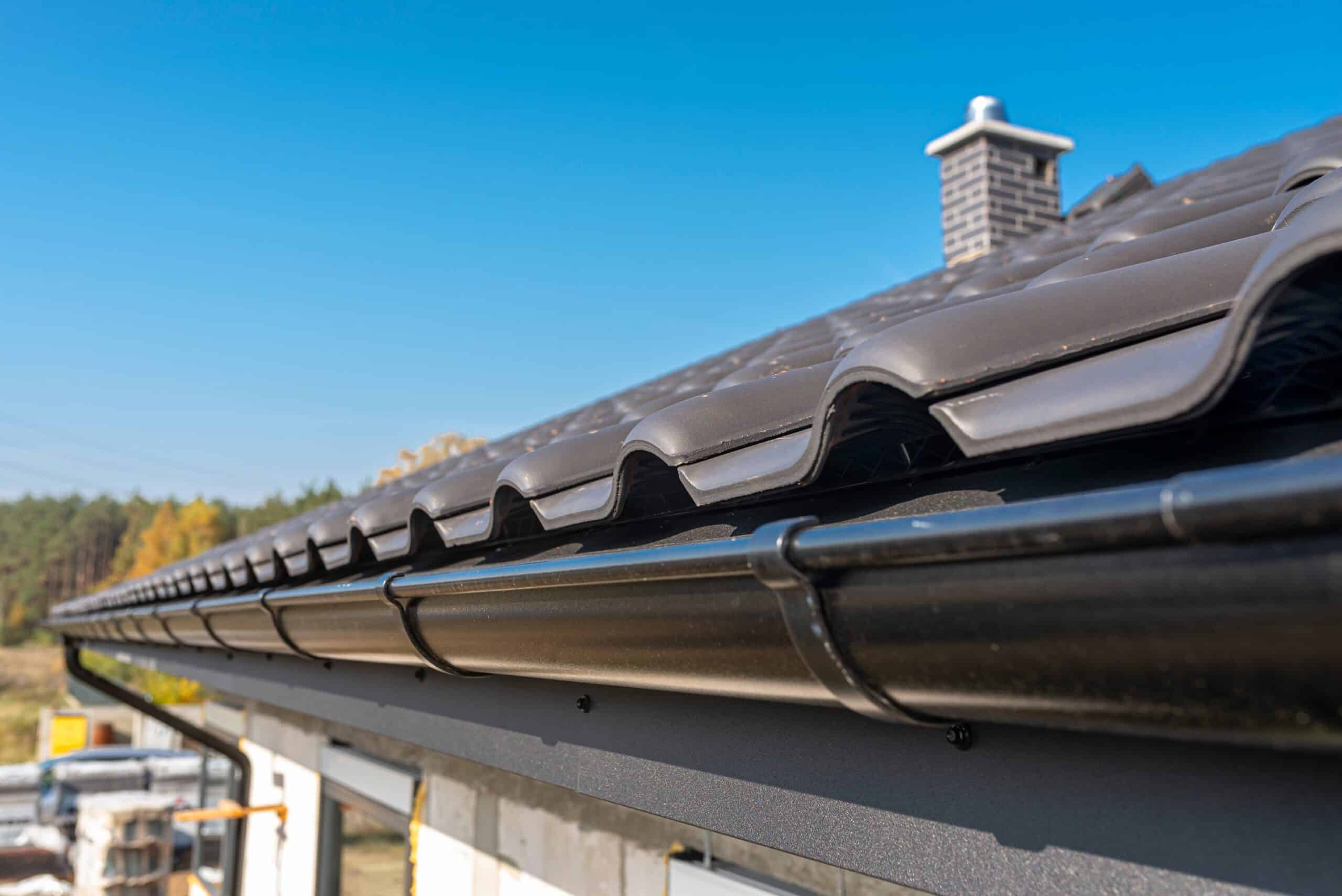
That difference matters more in Florida than many homeowners realize. Warm season storms are common across Central and North Florida. High humidity keeps things damp longer. Repeated rain events mean debris does not just sit there harmlessly waiting for a dry weekend. It mats down, traps moisture, and makes the next storm harder on the system.
For homes in Micanopy, regular gutter cleaning during the wet season is less about appearance and more about basic protection. It helps the roofline, the fascia, the soil around the house, and the areas where water should move away instead of back toward the structure. If you have trees nearby, the need goes up. If you already have an older gutter system or a section that does not pitch correctly, the need goes up again.
Florida rain does not give gutters much margin for error
One reason homeowners put off gutter maintenance is that the system looks simple. A horizontal trough, a few downspouts, and water goes where it should. In practice, gutters only work well when they stay open from end to end. Florida’s rainy season makes that harder.
Summer rainfall in this part of the state often comes from thunderstorms fed by sea breezes and tropical moisture. Those storms can dump a lot of water in a short window. Flooding rain is not rare during the warm season. A gutter that is partly blocked might seem fine during a light shower, then completely fail when a heavy downpour hits at 4:30 in the afternoon.
That is the pattern many contractors see. A homeowner says the gutters were “mostly okay” until one storm sent sheets of water over the front edge. The real issue usually started weeks earlier. Pine needles narrowed the flow path. Oak leaves caught on brackets or seams. Acorns lodged near the downspout opening. The next rain packed everything tighter. By the time the overflow becomes obvious, the clog has already been building.
In a humid climate, the debris itself changes, too. Dry leaves are one thing. Wet organic buildup is another. It gets heavier, sticks to the gutter floor, and can be surprisingly stubborn to remove. If there is standing water trapped behind that buildup, mosquitoes and rot become part of the conversation as well, even before anyone starts talking about repairs.
Tree debris is the real troublemaker around many Florida homes
Homes in this region often sit near mature trees, and that is part of the charm. Shade helps in summer. The yard looks established. The trade-off is what lands on the roof and in the gutter channel.
UF/IFAS materials note that live oak leaves and acorns build up in streets and gutters, and pine needles, leaves, and small limbs are common debris that should be cleared before they create problems. That guidance lines up with what happens on houses every year. Oak leaves do not always wash through cleanly. They can cling together and form a dam, especially around a corner or near a downspout. Pine needles are even trickier because they weave into a dense layer that catches everything behind them. Add a few small limbs from a stormy week and flow slows down fast.
This matters for another reason beyond the house itself. Florida stormwater guidance also emphasizes keeping plant debris out of runoff paths because it can clog drainage and contribute nutrients to waterways. So gutter cleaning is not just a housekeeping chore. It is part of managing how debris and rainwater move off the property.
A lot of homeowners assume the worst buildup happens in fall, as if Florida follows the same rhythm as farther north. In reality, debris can be a year-round issue here because trees shed at different times and storms constantly bring material down. Wet season rain then compounds the problem by compressing and moving debris into the exact places where it causes blockages.
What happens when gutters overflow during the wet season
Overflow is easy to spot when water pours over the side, but the real damage is often quieter. It happens where the excess water lands and how often that spot gets hit.
When runoff repeatedly spills near the foundation, it can saturate the soil around the house more than intended. When it pours beside entryways, it creates muddy splashback and makes those areas harder to keep clean. When it falls straight from the roof edge because the gutter is packed, it can carve channels in mulch beds and beat up plants. None of these problems require a major storm. Repetition does the work.
Then there is the gutter system itself. Debris that stays wet adds weight. If a section is already a little loose or slightly out of pitch, that extra weight can make the problem more obvious. Water starts standing where it should not. Brackets carry more load. Joints get stressed. What could have been handled with routine gutter cleaning may turn into a need for gutter repair Gainesville FL homeowners know well after a rough summer.
The frustrating part is that many of these failures build slowly and then seem sudden. One day the gutters look normal from the ground. The next day there is staining down the fascia or a drip at a corner every time it rains. Wet season maintenance helps catch those smaller issues before they become repair calls.
Seamless gutters help, but they do not replace maintenance
There is a good reason so many Florida homeowners ask about seamless gutters Gainesville FL contractors install. Fewer joints usually means fewer leak points, and the system tends to look cleaner along the roofline. For homes that are replacing old sectional gutters, seamless gutter installation Leesburg FL and surrounding areas often request can be a smart upgrade for durability and appearance.
Still, seamless does not mean maintenance-free.
Even a well-installed seamless system can clog if enough organic material enters the trough. The reduced number of seams helps with leakage, not with leaves and needles. That distinction matters because some homeowners hear “seamless” and assume they can stop thinking about gutter maintenance Florida homes need every rainy season. They cannot.
A better way to think about it is this: quality installation gives you a stronger starting point, while regular cleaning keeps that system functioning as designed. One does not cancel out the need for the other. In fact, a good gutter contractor Central Florida homeowners trust will usually say the same thing. Installation quality, proper slope, and routine upkeep all work together.
That is just as true for newer homes as for older ones. A brand-new gutter installation North Florida contractors complete can still end up clogged after a season of storms if the property has heavy tree cover. The materials may be in excellent shape, but water only moves as well as the channel allows.
The wet season exposes small flaws that dry weather hides
Florida’s dry spells can be misleading. A gutter may have a partial clog, a low spot, or a downspout issue and give no obvious sign until the rain pattern changes. Once storms become frequent, all the little weaknesses show themselves.
A section that drains slowly during a light shower may back up completely in a thunderstorm. A downspout elbow with trapped debris may only reveal itself when water starts overshooting the top outlet. A sagging run may hold water between storms, which then mixes with fresh debris and becomes harder to flush out next time.
This is one reason experienced technicians often recommend cleaning and inspection as a pair. Removing debris is only part of the job. The other part is noticing whether the system is still doing what it was installed to do. That includes checking for standing water, loose hardware, separated joints, and signs that water is not exiting where it should.
For homeowners who have dealt with repeat overflow in the same spot, cleaning alone may not fully solve it. At that point, it is worth considering whether the problem is pitch, capacity, or a damaged section. That is where gutter cleaning and repair Ocala FL homeowners seek, and similar service across nearby Florida communities, often becomes the more useful approach than simply clearing the debris and hoping for the best.
Gutter guards can help, but they are not all equal
Gutter guards are one of the most common questions during rainy season, and for good reason. They can reduce the amount of debris entering the gutter, especially on homes with persistent leaf drop. But they are not magic, and https://rainjournal820.northcrestbrief.com/posts/grand-island-homeowners-guide-to-keeping-gutter-runoff-away-from-the-foundation the style matters.
Common types include brush, foam insert, mesh screen, micro-mesh, PVC covers, and reverse-curve designs. Each comes with trade-offs. Some do a decent job with larger leaves but struggle with fine debris. Others handle small material better but can still require maintenance as buildup forms on top of the guard. Pine needles are often the deciding factor because they test any design more harshly than broad leaves do.
For that reason, gutter guard installation Central Florida homeowners consider should start with the actual debris profile on the property, not a generic sales pitch. A home under live oaks has a different challenge than one bordered by pines. A low-slope roof behaves differently from a steeper one. Guards can reduce cleaning frequency, but most systems still need inspection and occasional service.
The best conversations about gutter guards Gainesville FL homeowners can have are practical ones. What falls on the roof most often? How intense is the runoff during summer storms? Is the goal fewer clogs, easier maintenance, or both? A strong answer usually comes from matching the guard style to the house instead of treating every property the same.
Signs your gutters should be cleaned before the next storm cycle
Most homeowners do not need to climb a ladder to know the system needs attention. The house usually tells you, if you know what to watch for.
- Water spilling over the gutter edge during ordinary rain
- Small plants, dark sludge, or visible debris in the gutter channel
- Drips or streaks at joints and corners after rain stops
- Mulch washout or muddy trenches directly below roof edges
- Gutters that seem to sag or hold water between storms
If you notice one of those signs in wet season, it is worth acting sooner rather than later. Florida weather rarely gives a long grace period once the storm pattern settles in.
Why timing matters more than homeowners think
A lot of maintenance advice sounds vague: clean your gutters regularly. The better advice is to think in terms of weather windows and property conditions.
If your home has overhanging trees, cleaning right before the wet season can make a real difference because it restores full flow capacity before the heaviest recurring rains start. Mid-season checks matter too, especially after a run of thunderstorms or windy weather that knocks fresh debris down. Waiting until there is already overflow often means the gutters have been underperforming for weeks.
There is also a strong case for checking gutters after any period that combines heavy rain and visible debris drop. That combination is what turns a manageable layer of leaves into a compacted blockage. Homeowners in places like Leesburg, Gainesville, Ocala, and The Villages see similar patterns because the regional climate stays humid and rain-prone through much of the year. Whether someone is looking for gutter cleaning Leesburg FL service, gutters The Villages FL maintenance, or help closer to Gainesville, the logic is the same: storms expose neglect quickly.
One thing I have seen repeatedly in wet climates is that the “I’ll do it next month” mindset usually costs more than the cleaning itself. Not always in dramatic structural damage, but in nuisance problems, preventable repairs, and repeated overflow that stains and erodes areas around the house.
When cleaning is enough, and when repairs should be part of the plan
Not every gutter problem calls for replacement. Sometimes the system simply needs a thorough cleaning and a minor adjustment. Other times, the debris was only the symptom.
A useful rule of thumb is that cleaning is enough when the gutters are sound, attached properly, draining well once cleared, and free of obvious leaks or standing water. If the problem disappears after the debris is removed, that is a good sign.
Repairs become more likely when the same section overflows even after cleaning, when joints drip consistently, or when hardware no longer holds the gutter securely in place. In those cases, a proper fix may involve resecuring sections, correcting pitch, or replacing damaged components. Ignoring those issues through another Florida wet season usually makes them more visible, not less.
For older systems, there may come a point where patching turns into a false economy. If multiple areas are failing or if the design no longer matches the roof runoff demands, replacement can be the cleaner long-term choice. That is where conversations about gutter installation North Florida homeowners need, or upgrading to seamless systems, start to make sense.
A practical maintenance rhythm for Florida homes
The exact schedule depends on tree cover, roof design, and how much debris your property collects, but a practical rhythm usually looks like this:
- Clean or inspect before the wet season begins
- Check again after stretches of frequent thunderstorms
- Pay special attention after windy weather or tropical moisture events
- Inspect any section that has overflowed before
- Consider guards only after the system itself is draining correctly
That last point matters. Gutter guards should not be used to disguise a pitch problem or a failing section. Put the base system in good working order first, then decide whether guards will actually reduce maintenance on your specific home.
The Micanopy factor: older charm, mature trees, and recurring rain
Many homes in and around Micanopy appeal to people because they do not feel sterile or newly stamped out. They often sit in greener settings, with established landscaping and plenty of tree canopy nearby. That character is part of the draw, but it also raises the stakes for gutter care.
Mature trees create a steady stream of organic debris. Humid air slows drying. Warm season rainfall keeps testing the drainage system over and over. Those conditions do not care whether a house is historic, recently renovated, or fairly new. Water management still comes down to one basic question: can runoff leave the roofline quickly and cleanly?
If the answer is no, wet season problems tend to stack up. Overflow leads to splashback. Debris traps moisture. Standing water adds weight. Loose sections become looser. What started as a cleaning issue inches toward a repair issue, and sometimes beyond that.
That is why regular gutter maintenance Florida homeowners often postpone is one of the more practical forms of home protection in this climate. It is not glamorous. Nobody shows off freshly cleaned gutters the way they show off a new kitchen. But it keeps a house functioning in the kind of weather Florida reliably delivers.
For homeowners weighing next steps, the right choice may be routine cleaning, targeted gutter repair Gainesville FL area providers handle, or a larger upgrade such as seamless gutter installation Leesburg FL homeowners often choose when older systems are failing. Some properties benefit from gutter guard installation Central Florida companies offer, especially where debris load is constant. The common thread is that wet season is not the time to guess.
A clean, well-draining gutter system gives rain somewhere to go. In Florida, that is not a small detail. It is one of the reasons a house weathers the season well or spends months showing you where the water should have gone instead.
Ends · EXTERIORGUIDE597